Your Guide to Finding the Perfect Orthodontic Partner
Choosing an orthodontist is a significant decision for your family. It’s not just about getting braces; it’s about investing in a healthy, confident smile that will last a lifetime. The relationship with your orthodontic team will span months, or even years, so finding the right fit is crucial. With so many options available, how do you choose the right orthodontist? This guide will walk you through seven essential factors to help you make an informed choice for yourself or your child.
1. Verify Credentials and Specialization
First and foremost, ensure you are seeing a true specialist. An orthodontist is a dentist who has completed an additional two to three years of specialized training in orthodontics and dentofacial orthopedics at an accredited residency program. While some general dentists offer orthodontic services, a specialist has dedicated their practice exclusively to aligning teeth and jaws. Look for a practitioner who is a member of the American Association of Orthodontists (AAO). This indicates they have met the high standards of education and training required for the specialty.
2. Evaluate Experience and Treatment Options
Experience matters. An orthodontist who has treated a wide variety of cases—from simple crowding to complex surgical cases—will be better equipped to handle your unique needs. During your research, look into the types of treatments they offer. A modern orthodontic practice should provide a range of options beyond traditional metal braces, including:
- Ceramic Braces: A less noticeable option with clear or tooth-colored brackets.
- Lingual Braces: Braces that are placed on the back of the teeth, making them virtually invisible.
- Clear Aligners: Popular systems like Invisalign® that use a series of custom-made, removable trays to straighten teeth.
A provider who offers multiple solutions can tailor a treatment plan specifically for you, rather than fitting you into the only option they have.
3. Consider the Technology They Use
Advanced technology can make orthodontic treatment more efficient, accurate, and comfortable. Inquire about the tools the practice uses. Modern offices often utilize digital X-rays (which reduce radiation exposure), 3D intraoral scanners (eliminating the need for messy impressions), and advanced computer software for precise treatment planning. This commitment to technology demonstrates that the practice is invested in providing the highest standard of care.
4. Schedule an Initial Consultation
Most orthodontists offer a complimentary or low-cost initial consultation, and you should take full advantage of this. This appointment is your opportunity to meet the doctor and their team, tour the office, and get a feel for the practice. It’s a two-way interview. Prepare a list of questions to ask, such as:
- What are the specific treatment recommendations for my case?
- What is the estimated length of the treatment?
- What is the total cost, and what are the available payment and financing options?
- How are orthodontic emergencies handled after hours?
- What is the typical frequency of appointments?
The answers will provide valuable insight into their approach and patient care philosophy.
5. Read Reviews and Ask for Recommendations
What are other patients saying? Online reviews on platforms like Google, Yelp, and Healthgrades can provide a wealth of information about patient experiences. Look for comments on the orthodontist’s skill, the friendliness of the staff, wait times, and overall satisfaction. Don’t forget to ask for personal recommendations from friends, family, or your general dentist. A referral from a trusted source is often the best endorsement.
6. Assess the Office Atmosphere and Staff
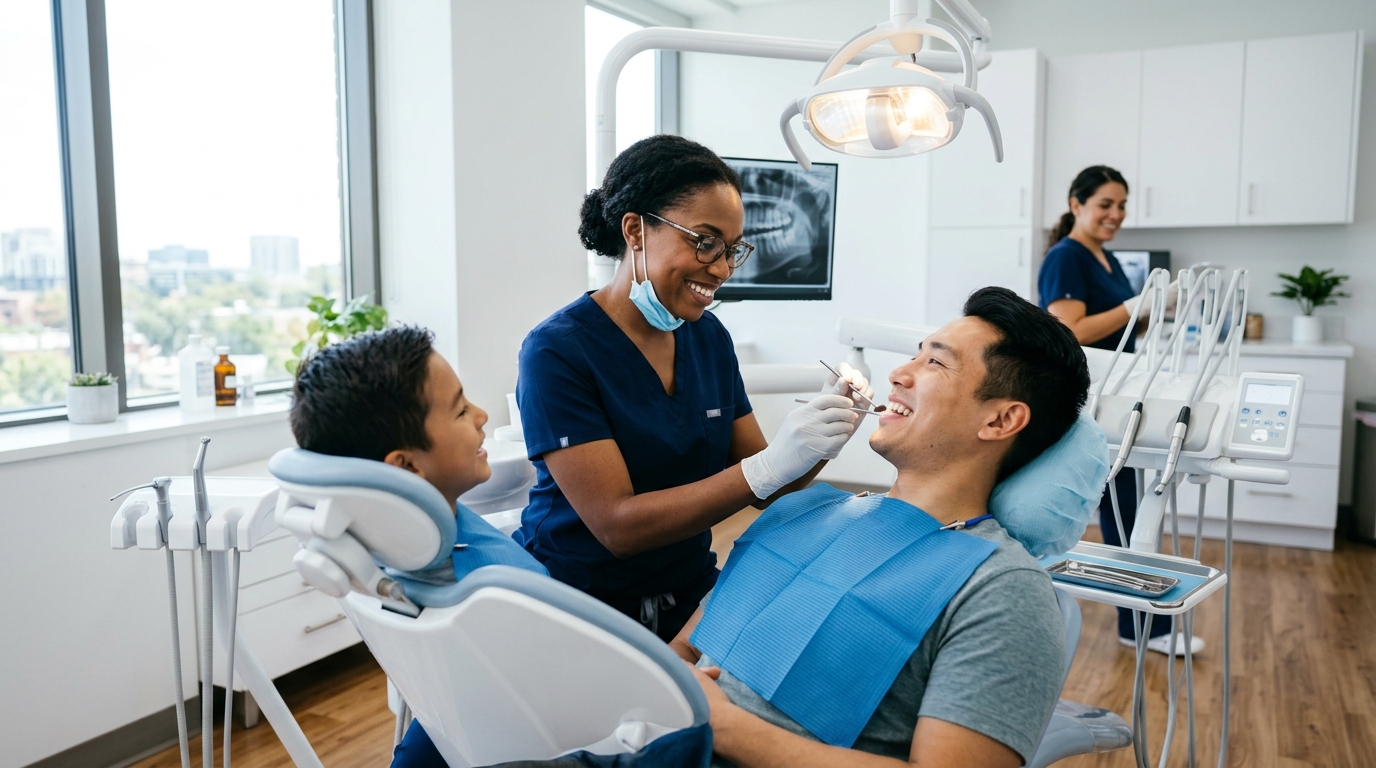
You and your family will be spending a lot of time at the orthodontist’s office, so the environment should be comfortable and welcoming. During your consultation, pay attention to the details. Is the office clean and modern? Is the staff friendly, organized, and helpful? A positive and supportive atmosphere can make the entire treatment process a more pleasant experience for everyone involved, especially for anxious children or teens.
7. Understand the Costs and Financing
Orthodontic treatment is an investment. A reputable office will be transparent about all costs associated with your treatment plan. They should provide a detailed breakdown of the total fee, what it includes (such as retainers), and any potential additional charges. Ask about their insurance policies and what financing options they offer. Many practices provide flexible, in-house payment plans or work with third-party financing companies to make treatment affordable.
By carefully considering these factors, you can confidently choose the right orthodontist to guide you on your journey to a spectacular smile.